

Chair Sash Ideas: Bows, Ties & DIY Styles for Every Setting
Quick Summary: Chair sashes remain one of the simplest and most cost-effective ways to transform event seating, and this guide brings together the full range of chair sash ideas, chair sash bow ideas, chair sash tie ideas, and chair tie back ideas used by UK wedding stylists and venues today. Whether you're sourcing ready-made chair sashes and bands or looking for DIY chair sash ideas to style at home, you'll find practical guidance on materials, tying techniques, colour pairing, and venue-specific styling, along with a full FAQ section to answer the questions we hear most often from couples, planners, and venue decorators.
Having supplied wedding and event décor to customers across the UK, we've seen how much difference the right sash fabric, colour and tying style can make to the finished look of a venue. A sash tied neatly around the back of a banquet chair, a Chiavari frame, or a folding chair adds colour, texture, and a sense of occasion that bare seating simply can't match. It's a detail guests notice without quite knowing why the room feels finished. Because sashes are affordable, easy to store, and endlessly versatile across colours and fabrics, they've become a staple for weddings, corporate dinners, parties, and venue styling businesses across the UK.
This guide walks through every angle of chair sash styling, from classic bows to modern tie-back techniques, DIY approaches for couples on a budget, and setting-specific advice so you can choose a look that suits your venue and theme with confidence.
Table of Contents
- What Are Chair Sashes?
- Classic Chair Sash Bow Ideas
- Creative Chair Sash Tie Ideas
- Chair Tie Back Ideas for Weddings & Events
- DIY Chair Sash Ideas
- Chair Sash Ideas for Different Settings
- Chair Sash Ideas by Colour
- Choosing the Right Chair Sash Material
- How to Tie a Chair Sash
- How to Choose the Best Chair Sash Style
- Chair Sash Styling Tips
- Conclusion
- Chair Sash Ideas FAQs
What Are Chair Sashes?
A chair sash is a length of fabric tied around a chair back to add colour, contrast, and a decorative finish to event seating.
Chair sashes are long strips of fabric, typically between 18cm and 35cm wide and around 275–280cm in length, designed to wrap around the back of a chair and tie in a bow, knot, or drape. They're most commonly used over chair covers, though many venues also tie them directly onto wooden or Chiavari-style chairs for a more relaxed, natural finish. Sashes are sold in a wide range of fabrics, from soft, sheer organza to structured taffeta and glossy satin, which means the same basic idea can look completely different depending on the material and colour chosen. Our wedding chair sashes explained guide covers the basics in more depth if you're planning your very first order.
In our experience, one of the biggest advantages of chair sashes is their versatility: the same sash can create a completely different look simply by changing the way it is tied or pairing it with a different chair cover. They've become one of the most popular décor items among wedding suppliers, venues, and hire companies. A single colour palette of sashes can be restyled season after season simply by changing the tying technique or pairing them with a different chair cover.
Why Chair Sashes Matter for Event Styling
Sashes do more than add colour. They introduce visual rhythm across a room, drawing the eye along rows of seating in a way that feels deliberate and cohesive. For photographers and stylists, this repetition is part of what makes a wide shot of a reception room feel polished rather than plain.

Classic Chair Sash Bow Ideas
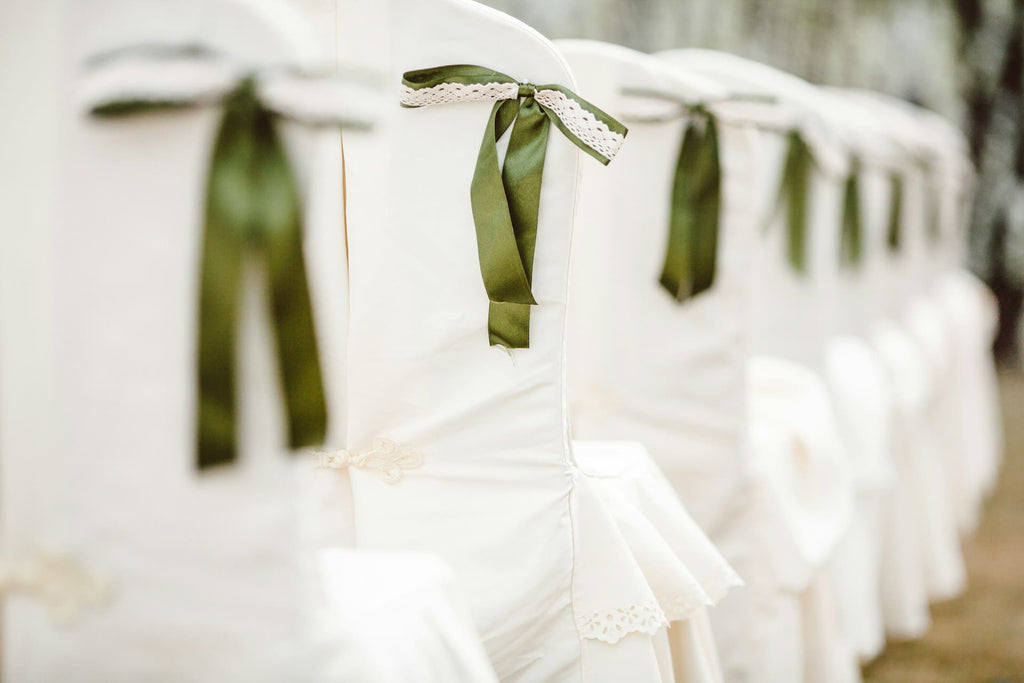
The most popular chair sash styles are the full bow, pinch bow, loose bow, single knot, side tie and rosette tie back. For formal weddings, satin or taffeta bows work particularly well, while organza, lace and hessian suit relaxed or rustic settings.
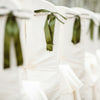
A traditional bow sits at the centre back of the chair, with two even loops and trailing tails that fall to roughly seat height. This style works particularly well with wider fabrics like our flocked organza sashes or 18cm organza sashes, which hold their shape without needing constant adjustment throughout the day.
The Full Bow
A full, generous bow uses the entire width and length of the sash to create large, rounded loops. It's the most formal of the chair sash bow ideas and suits black-tie dinners, hotel ballrooms, and traditional church weddings where symmetry matters.
The Loose Bow
A looser, slightly undone bow with soft, uneven loops feels more relaxed and works well for garden parties, marquee receptions, and countryside venues. Lighter fabrics such as taffeta sashes drape more naturally into this style than heavier materials.
The Pinch Bow
Pinching the fabric at the centre of the bow before tying creates a neater, more compact shape with defined loops. This is a favourite among professional stylists because it photographs sharply from a distance and holds its structure well over a long event.
Creative Chair Sash Tie Ideas
Beyond the classic bow, there are several chair sash tie ideas that suit modern, minimalist, or non-traditional wedding styles.
Ties differ from bows in that they don't rely on symmetrical loops. Instead, the fabric is knotted, wrapped, or draped in a way that feels more sculptural. These styles have grown in popularity alongside minimalist and Scandinavian-inspired wedding themes, where couples want colour and texture without a busy, fussy finish.
The Single Knot
A simple single knot at the centre back of the chair, with the tails left to hang straight down, gives a clean, contemporary look. It works especially well with satin, since the fabric's sheen catches the light even in a simple knot shape.
The Twist Wrap
Wrapping the sash twice around the chair back before tying a small, low knot creates texture and volume without a bow's fuller silhouette. This tie idea suits sheer fabrics like lace, where the layers of the wrap add visible depth. Our lace chair sashes collection is a popular choice for this style.
The Side Tie
Rather than tying centrally, the sash is knotted slightly off to one side. This asymmetrical detail has become popular for editorial-style wedding shoots and works particularly well on Chiavari chairs where the open chair back allows the tie to be seen clearly.
Chair Tie Back Ideas for Weddings & Events
Chair tie backs pull the fabric away from the centre of the chair, creating a more structured, sculptural silhouette than a traditional bow.
Where a bow sits flat against the chair back, a tie back gathers the fabric to one side or pulls it into a rosette shape, adding dimension to the seating. These chair tie back ideas are especially effective for aisle chairs and top table seating, where you want a particular seat to stand out from the rest of the row.
Rosette Tie Backs
Gathering the centre of the sash into a small rosette or flower shape before securing it creates a striking focal point. This technique works best with structured fabrics such as satin or taffeta sashes, which hold a fold well.
Draped Tie Backs
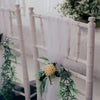
Rather than tying a knot, the sash is pulled to one side and allowed to drape loosely down the chair leg. This softer tie back suits outdoor and rustic settings, and pairs naturally with hessian or lace-overlay sashes from our hessian sashes collection.
Double-Sash Tie Backs
Using two contrasting sash colours together, tied and pulled into a combined tie back, is a popular way to introduce a secondary colour into a scheme without changing the main chair cover. This works well for couples using two complementary tones from our sample packs to test combinations before ordering in bulk.
|
Tie Back Style |
Best Fabric |
Best Setting |
|
Rosette Tie Back |
Satin, taffeta |
Formal weddings, top tables |
|
Draped Tie Back |
Hessian, lace |
Rustic, outdoor, barn venues |
|
Double-Sash Tie Back |
Organza, satin mix |
Modern venues, colour-block themes |
DIY Chair Sash Ideas
Styling chairs yourself is entirely achievable with a little practice, and these DIY chair sash ideas are designed for couples and small event teams working without a professional stylist.
From our experience, consistency is usually more important than choosing a complicated tying technique. A simple knot or bow repeated across every chair will generally create a more polished effect than elaborate styles that vary from chair to chair. It's far more noticeable if every third chair looks slightly different than if the whole row is tied in a simple, uniform style. Before the event, it's worth practising your chosen bow or knot on two or three chairs so the technique becomes second nature, then timing how long a full row takes so you can plan the setup schedule realistically.
Batch-Tying in Advance
For covers that stay on chairs overnight, sashes can often be pre-tied the day before and simply lifted into place, which saves considerable time on the morning of the event. This works particularly well for venues offering in-house setup the night before.
Using Clips Instead of Knots
Fabric clips or buckles allow you to achieve a bow-like finish without tying a knot at all, which is useful for anyone new to chair styling or working with a large number of chairs under time pressure. These give a neat, repeatable finish across every seat with far less practice required than hand-tied knots.
Colour Testing Before Bulk Buying
Because screen colours can look different in person, ordering a small sample bundle before committing to a full order is one of the most useful DIY steps couples skip. Our organza, taffeta and satin sample bundles let you hold fabrics against your actual venue lighting and chair covers before placing a larger order.

Chair Sash Ideas for Different Settings
The right chair sash idea depends heavily on where it will be used, since barns, hotels, marquees, and modern venues all call for a different finish.
Matching your sash style to the character of the venue keeps the overall look cohesive rather than working against the space. A delicate lace tie can feel lost in a large, ornate ballroom, while a heavy satin bow can feel overly formal in a relaxed countryside barn.
Barn and Rustic Venues
Natural textures work best here. Hessian sashes, paired with a loose draped tie back, suit exposed beams and countryside settings, and pair well with items from our Rustic Charm collection.
Hotel Ballrooms and Formal Venues
Structured fabrics such as satin and taffeta, tied in a full or pinch bow, suit the symmetry and formality of hotel function rooms. Our satin sashes collection is a consistent favourite for this type of setting.
Marquees and Outdoor Celebrations
Lightweight organza sashes tied in a loose bow or single knot move naturally in an outdoor setting without feeling stiff, and coordinate well with seasonal ranges such as our autumn wedding decor collection.
Modern and Minimalist Venues
Clean-lined venues suit simple ties over bows. A single knot in a monochrome palette from our Monochrome collection keeps the styling understated and architectural.
|
Setting |
Recommended Style |
Recommended Fabric |
|
Barn / Rustic |
Draped tie back |
Hessian, lace |
|
Hotel Ballroom |
Full or pinch bow |
Satin, taffeta |
|
Marquee / Outdoor |
Loose bow, single knot |
Organza |
|
Modern Venue |
Single knot |
Satin, monochrome tones |
Chair Sash Ideas for Different Chair Types
The best chair sash style depends on the chair's shape, width and frame, with open chairs generally suiting simple ties and wider or covered chairs providing more space for fuller bows and decorative styles.
The shape and structure of your chair can make a significant difference to how a sash looks once tied. A style that sits neatly on a banquet chair may need adjusting on a Chiavari or cross-back chair, while chairs with wider or decorative backs may require a longer sash or a different tying position. Before choosing your chair sash style, consider the chair itself as well as your colour scheme and venue.
Chiavari Chairs
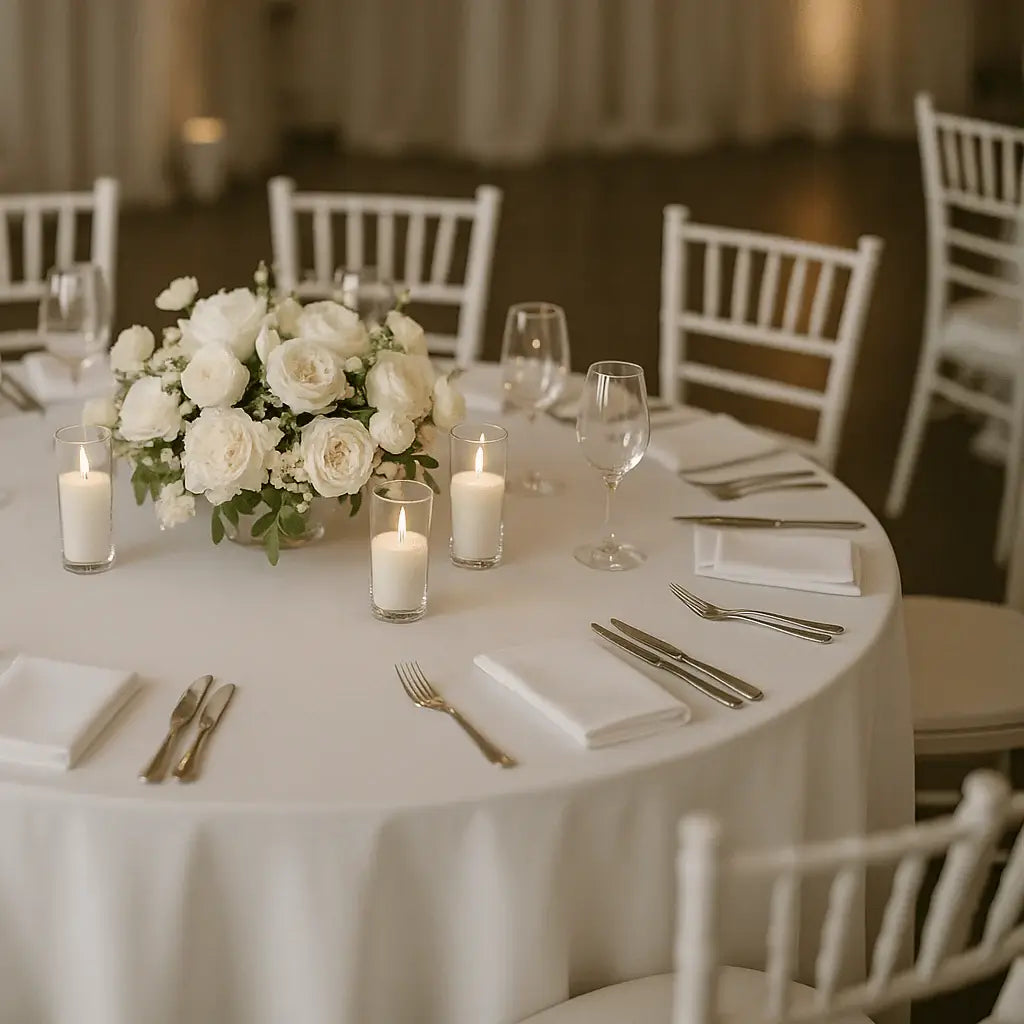
Chiavari chairs have an open, elegant frame that makes them particularly versatile for chair sash styling. Because the back is narrow and the structure remains visible, a classic bow, side tie or simple knot can create a decorative focal point without covering the chair's natural detail. Organza, satin and taffeta sashes all work well, depending on whether you want a soft, romantic finish or something more structured.
Banquet Chairs
Banquet chairs typically have wider, upholstered backs and are commonly used with chair covers at weddings, parties and formal events. Their broader shape provides plenty of space for a full bow or pinch bow, making them ideal when you want the sash to create a strong visual feature. Wider chair backs can also accommodate larger or more generous bows without making the overall chair look unbalanced.
Folding Chairs
Folding chairs are practical and commonly used for larger events, but their simpler structure means the sash needs to be positioned securely. A single knot, compact bow or straightforward tie can work particularly well, especially when decorating a large number of chairs. For DIY setups, choosing a simple technique that can be repeated consistently is often more effective than using an elaborate style.
Cross-Back Chairs
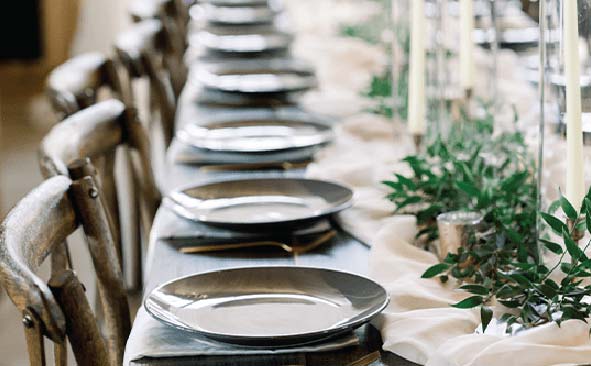
Cross-back chairs already have a distinctive decorative shape, so the sash should enhance rather than hide the wooden cross-back design. A smaller bow, side tie or relaxed knot can add colour while allowing the frame to remain visible. Natural fabrics such as hessian and lace are particularly suited to rustic, barn and countryside weddings, while satin can create a more contemporary contrast.
Wooden Chairs
Wooden chairs offer a natural backdrop for chair sashes and can be styled with or without chair covers. The best approach depends on the character of the chair: simple wooden frames suit relaxed knots and draped styles, while more formal wooden chairs can accommodate structured bows. Neutral, earthy or textured sashes can complement the natural grain, while contrasting colours can make the decoration stand out more clearly.
Chairs with Wide Backs
Chairs with particularly wide backs need enough sash length and fabric to wrap securely around the chair while still leaving sufficient material for the chosen bow or knot. A full bow can work well where there is plenty of surface area, while a simple central knot may be more practical for a cleaner finish. Always check the sash dimensions against the chair before ordering large quantities.
Chairs with Decorative Frames
Highly decorative chairs, including ornate wooden chairs and chairs with carved or detailed backs, can be easily overwhelmed by a large sash. In these cases, a narrower sash or simpler tying technique can be more effective, allowing the chair's original design to remain visible. A side tie or understated knot can introduce colour and texture without competing with the decorative frame.
Choosing a Sash for Your Chair
When deciding which chair sash style to use, consider the width and shape of the chair back, whether the chair will be covered, and how much of its original frame you want to remain visible. Open-frame chairs generally suit styles that showcase the structure, while wider or covered chairs provide more room for larger bows and fuller decorative treatments. For large events, it's also worth testing your chosen sash on the actual chair before ordering in bulk to make sure the length, width and tying technique produce the finish you want.
Chair Sash Ideas by Colour
Colour is often the starting point for chair sash ideas, since it needs to work with florals, linens, and the venue itself.
Choosing a sash colour usually comes down to season, existing décor, and the mood the couple or event organiser wants to create. Some colours read as timeless and neutral, while others are closely tied to seasonal trends.
Soft and Romantic Tones
Blush pink and dusty pink sashes remain among the most requested colours for spring and summer weddings, pairing naturally with ivory florals and soft greenery. Browse our pink chair sashes collection and Dusty Pink Wedding Decor collection for coordinating pieces.
Bold and Vivid Tones
Green, yellow, and fuchsia sashes suit garden parties, summer celebrations, and events wanting a strong, energetic colour statement. Our green chair sashes and yellow chair sashes ranges are popular for exactly this purpose.
Cool and Contemporary Tones
Dusty and navy blue chair sashes have grown steadily in popularity for both winter and summer weddings, offering depth without feeling heavy. The Dusty Blue Wedding Decor collection pairs these tones with matching linens for a fully coordinated table and chair scheme.
Warm Metallic and Neutral Tones
Copper and gold-toned sashes suit autumn celebrations and add warmth to neutral colour schemes, and coordinate closely with our Copper Wedding Decor collection and Winter Wedding Decor collection for colder-season events.
Choosing the Right Chair Sash Material
Fabric choice affects how a chair sash bow or tie holds its shape, how it catches the light, and how well it suits the venue's overall style.
Each material has a distinct feel underfoot and on camera, so it's worth understanding the practical differences before ordering in bulk. Sheer fabrics tend to suit softer, romantic looks, while structured fabrics hold crisp shapes for longer.
Organza
Lightweight and slightly sheer, organza has a subtle shimmer and drapes softly, making it ideal for loose bows and flowing ties. It's one of the most popular fabrics across our organza sashes range.
Satin
Smooth and glossy, satin holds bow shapes crisply and reflects light beautifully under venue lighting, making it a strong choice for formal events. Explore the full satin sashes collection for the full colour range.
Taffeta
Slightly stiffer than satin, taffeta creates fuller, more structured bows with a subtle rustle and sheen, and is well suited to statement tie backs. See the complete taffeta sashes collection for available shades.
Lace and Hessian
Lace introduces a vintage, textured finish, often layered over another fabric for contrast, while hessian brings a natural, woven texture suited to rustic and outdoor themes. Both are available through our lace sashes and hessian sashes collections.
|
Material |
Look & Feel |
Best Tying Style |
|
Organza |
Sheer, light shimmer |
Loose bow, single knot |
|
Satin |
Glossy, smooth |
Full bow, pinch bow |
|
Taffeta |
Structured, subtle sheen |
Rosette tie back |
|
Lace |
Vintage, textured |
Twist wrap |
|
Hessian |
Natural, woven |
Draped tie back |

How to Tie a Chair Sash
Learning how to tie a chair sash well comes down to consistent fabric length, even tension, and a technique that suits the fabric you're using.
Start by draping the sash evenly around the back of the chair, checking that both sides hang at the same length before tying anything. This single step prevents the uneven, lopsided look that tends to happen when sashes are rushed. From there, cross the two ends, pull them snug against the chair back without over-tightening the fabric, and form your chosen bow, knot, or wrap.
Step 1: Position the Sash
Place the centre of the sash against the back of the chair and bring both ends around so they meet evenly at the centre.
Step 2: Cross the Ends
Cross one end over the other, keeping the fabric flat and untwisted.
Step 3: Create the Knot
Pass one end underneath the other and pull gently to create a secure central knot.
Step 4: Form the Bow
Create a loop with one end, wrap the other end around it and pull through to form the second loop.
Step 5: Adjust the Bow
Gently pull both loops until they are even and shape the fabric into your desired finish.
Step 6: Straighten the Tails
Adjust the sash tails so they hang neatly and are approximately the same length.
Step 7: Check the Finish
Step back to check that the sash is secure, centred and consistent with the style you want to create.
Tips for Tying Chair Sashes
Practise before the event: Tie several sashes before the day so you can establish a technique that is quick and repeatable.
Keep the fabric flat: Twisted fabric can make even a well-tied bow look untidy, particularly with satin and organza.
Use one finished chair as a guide: If several people are helping with setup, show everyone the same finished example to maintain consistency.
Steam creased sashes first: Lightly steaming the fabric before tying can create a much cleaner finished appearance.
Choose the technique for the fabric: Structured taffeta and satin can hold fuller bows, while lightweight organza is often better suited to softer, looser styles.
Test the sash on the actual chair: Different chair widths and back designs can change how much fabric is available for the bow, so test your chosen style before styling all the chairs.
How to Choose the Best Chair Sash Style
Choosing the best chair sash style comes down to matching the fabric, colour, and tying technique to the formality and character of the event. The best style depends on the venue and formality. Full or pinch bows suit formal weddings, while loose bows, knots and draped tie backs work well for rustic, outdoor and minimalist celebrations.
Start with the venue and work outward: a grand hotel ballroom generally calls for structured fabrics and symmetrical bows, while a relaxed marquee or barn suits softer draping and natural textures. From there, consider the existing colour palette of florals, linens, and chair covers, since the sash should complement rather than compete with everything else in the room.
Matching Formality Level
Formal events benefit from full or pinch bows in satin or taffeta, while casual and outdoor events suit looser ties and natural fabrics such as hessian or lace.
Considering Practicality
Large guest numbers often call for simpler, faster tying techniques such as single knots or clip-based finishes, since these can be applied consistently and quickly across dozens of chairs without compromising the overall look.
Chair Sash Styling Tips
A handful of practical styling tips can make the difference between chairs that look professionally finished and ones that feel slightly uneven.
Small, consistent details tend to have the biggest visual impact across a full room of seating, so it's worth paying attention to the finer points once the main tying technique has been chosen.
Keep Tail Lengths Consistent
Trimming or adjusting sash tails so they fall to a similar length across every chair creates a much cleaner overall look than varying lengths, particularly in photographs taken from the back of the room.
Steam Before the Event
Lightly steaming sashes the day before removes packaging creases and helps fabrics like satin and taffeta sit smoothly against the chair back.
Coordinate with the Table Runner
Pulling a secondary colour from the table runner or napkins into the chair sash choice helps tie the whole room together visually, rather than treating chairs and tables as separate design decisions. Our lace table runners and aisle styling pieces from the aisle runners for weddings collection are often chosen alongside matching lace or hessian sashes for exactly this reason.
Conclusion
Chair sashes are a small detail with a genuinely large impact on how finished and considered a venue feels, and the range of chair sash ideas, bow styles, tie techniques, and tie backs available means there's a suitable option for almost any theme, budget, or setting. Whether you're planning a DIY chair sash project for an intimate gathering or sourcing wholesale sashes for a full calendar of weddings, taking the time to match fabric, colour, and tying technique to your venue will always give the strongest result.
Explore our full chair sashes and bands collection to find the right fit for your next event, or get in touch with our team for guidance on bulk orders and colour matching.
Chair Sash Ideas FAQs
What are the most popular chair sash styles?
The most popular chair sash styles include classic bows, side bows, simple knots, draped sashes and decorative rosettes. When looking for chair sashes ideas, consider the chair design, sash width, fabric and the overall look you want to create. Classic bows are a versatile choice, while side ties and draped styles can create a more relaxed finish.
What is the best chair sash idea for a wedding?
There isn't a single best option, since the right choice depends on the venue and formality of the event. A pinch bow in satin or taffeta suits formal weddings, while a loose bow or draped tie back in organza or hessian suits relaxed, outdoor celebrations.
How much fabric do I need for a chair sash?
Most chair sashes measure around 275–280cm in length and between 18cm and 35cm in width, which is enough to wrap fully around a standard banquet or Chiavari chair and tie a generous bow with trailing tails.
Can chair sashes be used without chair covers?
Yes, many venues tie sashes directly onto wooden, Chiavari, or cross-back chairs without a cover underneath, particularly for rustic and outdoor settings where the natural chair frame is part of the styling.
What is the easiest chair tie idea for beginners?
The easiest chair tie idea for beginners is a simple centre knot. This knot is the simplest and most forgiving, since it doesn't require symmetrical loops and still gives a neat, deliberate finish across a full row of chairs.
How do I stop chair sashes from looking uneven across a row?
Keep sash lengths consistent before tying, use the same tying technique on every chair, and trim tails to a similar length so the row reads as uniform from a distance.
Are DIY chair sash ideas realistic for a large guest list?
Yes, with practice and a simple, repeatable technique such as a single knot or clip-based finish, most couples and small teams can style a large number of chairs efficiently, especially if sashes are pre-tied the day before the event.
What fabric is best for chair sashes?
Satin, organza and polyester are popular choices for chair sashes. Satin offers an elegant finish, organza creates a softer look, while polyester is durable and versatile. No matter your chair sashes ideas, there is the option for your visage.
Should chair sashes match the table decorations?
Chair sashes don't need to match your table decorations exactly, but they should complement your overall colour scheme. Coordinating colours, textures or accents creates a cohesive and polished event look.
What is the difference between a chair sash and a chair band?
A chair sash is typically wider and longer, making it suitable for bows, knots and decorative ties. A chair band is narrower and creates a simpler, more streamlined finish around the chair.
-
Posted in
Chair Decor, Chair Sashes